Source: BBC
Iran’s Supreme Leader Ayatollah Ali Khamenei confirmed dead after Israeli strike
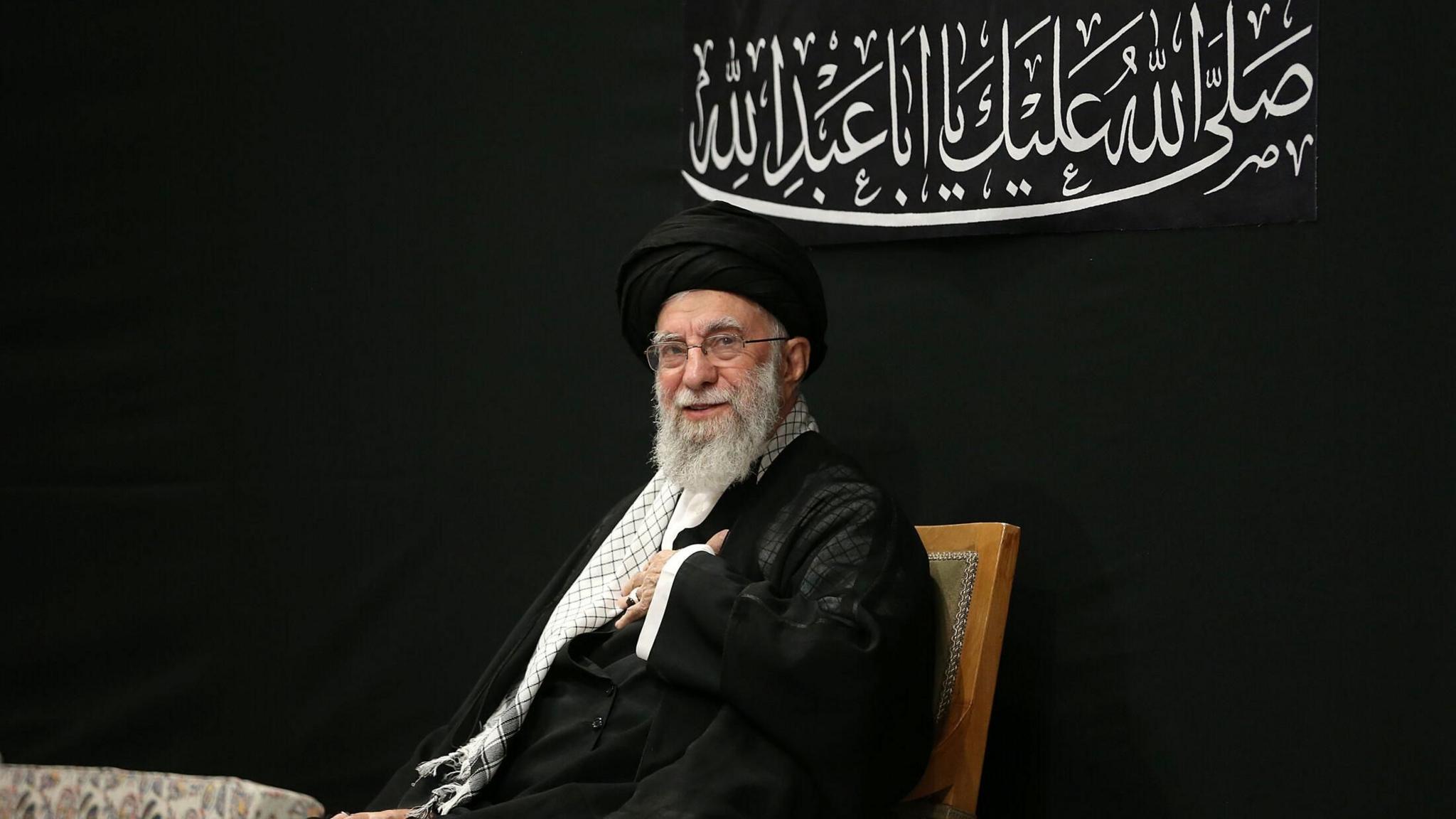
Israel says Supreme Leader Ayatollah Ali Khamenei has been killed in a targeted strike on his Tehran compound, a seismic blow to Iran’s ruling establishment that could upend the regional balance of power and ignite a dangerous new phase of conflict across the Middle East.
Israel has announced that Iran’s Supreme Leader Ayatollah Ali Khamenei is dead after joint U.S.-Israeli strikes hit his heavily fortified compound in Tehran, with senior Israeli officials claiming his body has been recovered from the ruins. An Israeli official told Reuters that Khamenei, long seen as the architect of Iran’s regional military network and its anti-U.S., anti-Israel posture, was killed in the wave of attacks that struck leadership, Revolutionary Guard and command sites across Iran. Israeli media outlets, including Channel 12 and other Hebrew networks, have carried the same claim, saying intelligence and visual evidence presented to Prime Minister Benjamin Netanyahu point to the supreme leader’s death.
The strikes marked the most direct and audacious attack on Iran’s leadership since the 1979 Islamic Revolution, coming amid spiralling confrontation over Tehran’s nuclear and missile programs and its backing for armed proxies across the region. Explosions were reported in Tehran and other major cities including Qom, Isfahan, Kermanshah and Karaj, as U.S. and Israeli aircraft and missiles targeted what officials described as underground nuclear-related facilities, senior command centers and missile launch sites. Israeli sources say several top figures were killed alongside Khamenei, including Defence Minister Amir Nasirzadeh and senior Revolutionary Guards commander Mohammad Pakpour, further decapitating Iran’s military hierarchy.
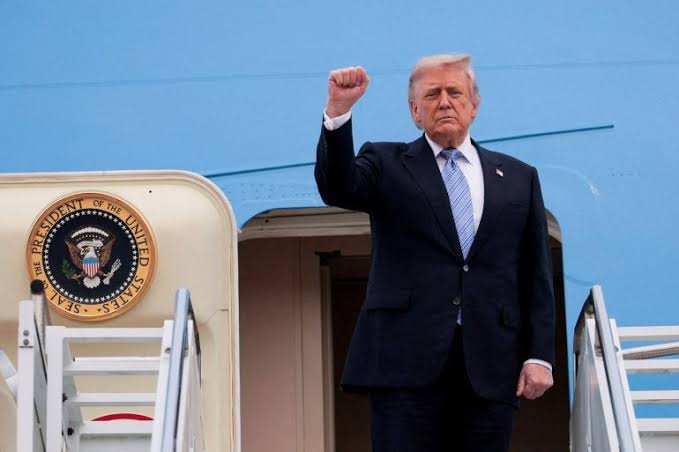
In Jerusalem, Netanyahu declared that Israel had “obliterated Khamenei’s compound” and said there were “more and more signs” the Supreme Leader had been eliminated, framing the operation as a pre-emptive move to thwart what he described as imminent large-scale attacks on Israel. A senior Israeli official briefed that the leadership strike was part of a broader effort to collapse what he called a hostile regime that had used its power to project militias and missiles from Lebanon, Syria, Iraq and Yemen toward Israel and Western interests. Israeli Ambassador to the United States Yechiel Leiter has reportedly informed U.S. officials that Khamenei was killed in the assault on his residence, a message that, if confirmed in Washington, would underscore the historic nature of the operation.
Iranian officials have so far stopped short of publicly acknowledging Khamenei’s death, even as some senior figures have vowed “unforgettable” retaliation for what they call an illegal act of war by Israel and the United States. Iran’s top security official, Ali Larijani, pledged on social media that the “Zionist criminals” and their American allies would “regret” the attack, warning that Iran would turn all hostile military assets in the region into legitimate targets. Tehran has already fired barrages of missiles toward Israel and at bases hosting U.S. forces in allied Gulf states, insisting it is responding within what it claims are the bounds of self-defence while signalling readiness for de-escalation if the strikes cease.
The fallout from Khamenei’s reported killing is expected to be profound, both inside Iran and across a region already on edge. For decades, Khamenei has sat at the apex of Iran’s political and religious system, guiding nuclear policy, overseeing the Revolutionary Guards and tightly managing succession and internal dissent. Analysts say his sudden removal could trigger an intense power struggle among conservative clerics, Revolutionary Guard commanders and members of his own family, amid questions over who can command enough authority to replace him. Some Israeli and U.S. officials have suggested that the blow to Iran’s leadership might open the door to popular uprisings, but others warn that it could just as easily harden the regime’s most powerful security factions and push them toward more radical responses.
Beyond Iran’s borders, governments are bracing for a period of acute instability. Western allies, including the United Kingdom, have put regional forces on heightened alert while calling for restraint and urging all sides to step back from a wider war. Financial markets and energy analysts are watching for disruption to global oil supplies, given Iran’s role in the Strait of Hormuz and the risk that proxy groups could target shipping and infrastructure in the Gulf. With confirmation from Tehran still absent and retaliatory dynamics already in motion, diplomats fear that the reported death of Ayatollah Ali Khamenei may become the defining flashpoint of a rapidly widening Middle East conflict.

 Noble Nigeria

© Noble Nigeria. All Rights Reserved || Privacy Policy and User Agreement