Source: BBC
Ties between Spain and the United States have become strained after Spain refused to support U.S. military action against Iran. The disagreement marks one of the most serious diplomatic rifts between the two countries in recent years and raises concerns about future cooperation in defence, trade, and NATO.
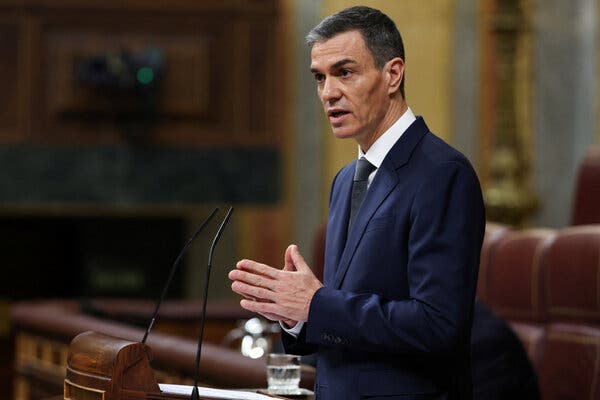
Spanish Prime Minister Pedro Sánchez has openly rejected the U.S. and Israeli strikes on Iran. He stated that Spain will not take part in what he called “a war in the Middle East” and will not allow U.S. bases in Rota and Morón to be used for offensive operations. He says this decision is based on both legal and strategic reasons.
Sánchez argues that past U.S.-led wars in the Middle East have led to more terrorism, increased migration, and energy problems for Europe. From his perspective, staying out of the conflict is in Spain’s best interest and helps avoid repeating past mistakes.
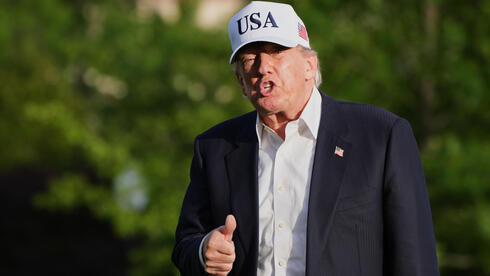
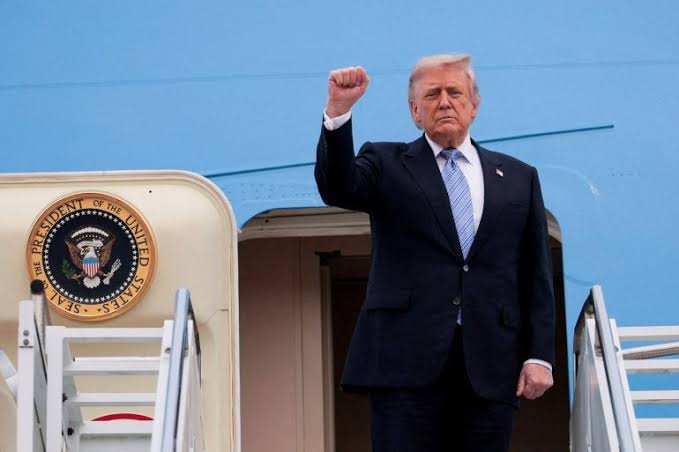
On the other hand, U.S. officials and allies of Donald Trump see Spain’s decision as a sign of disloyalty. Trump has accused Spain of abandoning an ally during a critical time and has warned of possible trade consequences. Some NATO supporters also fear that Spain’s stance could influence other European countries to step back from U.S. military efforts.
Despite the tension, both countries are expected to continue working together on key areas like intelligence sharing, NATO missions, and trade. However, trust has been weakened, and the future of their relationship may depend on whether the U.S. takes further action or both sides choose to ease tensions.

 Noble Nigeria

© Noble Nigeria. All Rights Reserved || Privacy Policy and User Agreement