Source: BBC
Dying While Waiting for Dialysis: Inside South Eastern Nigeria's Kidney Disease Challenge.
Kidney disease is quietly becoming one of Nigeria's most unforgiving health crises. In the South East, where teaching hospitals are seeing increasing numbers of patients with advanced kidney failure, doctors say the greatest tragedy is not simply that kidneys are failing. It is that many people only discover the disease when the cost of staying alive has already become overwhelming.
By the time one family arrived at a teaching hospital in South Eastern Nigeria, they were no longer asking what was wrong with their relative. They were asking how much it would cost to keep them alive.
A few weeks earlier, the illness had seemed harmless enough. There were headaches, swollen feet, unusual tiredness and a loss of appetite. Malaria was suspected, then typhoid. A neighbourhood pharmacy dispensed medications, friends recommended herbal mixtures, and someone suggested more rest. Nothing worked.
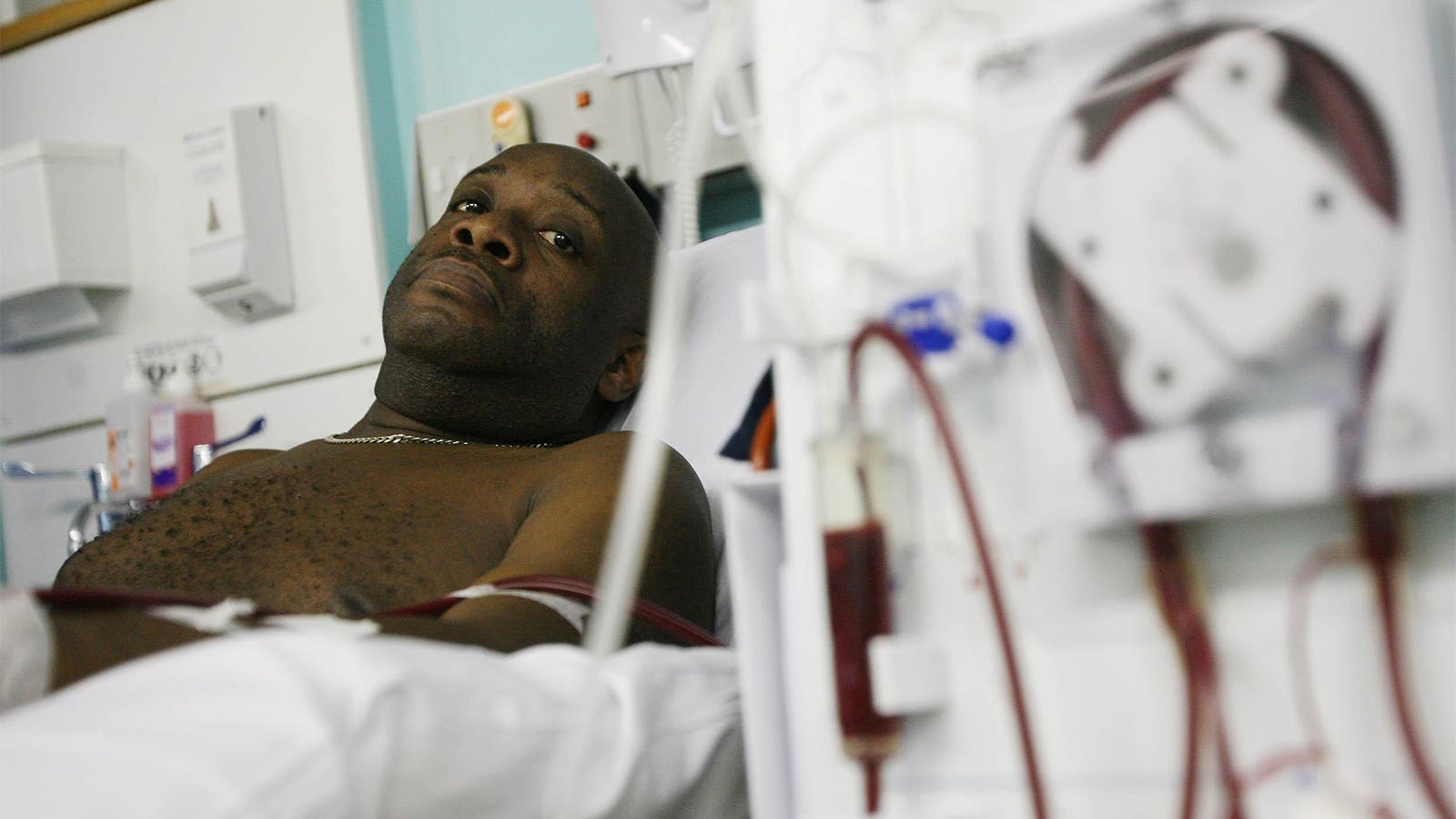
The diagnosis, when it finally came, was devastating. Both kidneys had suffered extensive damage. The conversation was no longer about medicines or injections. It had become a conversation about dialysis: how quickly it could begin, and, perhaps most frighteningly, whether the family could afford to keep it going.
According to nephrologists across South Eastern Nigeria, this story is painfully familiar. Kidney disease rarely arrives with the drama of a heart attack or the urgency of a road traffic accident. It advances quietly, often over years, giving few warning signs until the kidneys have already lost much of their ability to keep the body alive. By then, treatment becomes more difficult, more expensive and, for many families, emotionally crushing.
Doctors describe it as one of Nigeria's most overlooked public health challenges, not because it is rare, but because it often remains invisible until it is almost too late.
The World Health Organization has repeatedly warned that chronic kidney disease is among the fastest-growing causes of death globally, fuelled by the worldwide rise in hypertension, diabetes and other chronic illnesses. Nigeria has not escaped that trend. While wealthier countries have expanded routine screening, insurance coverage and specialist care, many Nigerians still discover kidney disease only after it has reached an advanced stage.
The consequences are particularly evident in major referral hospitals. At the University of Nigeria Teaching Hospital (UNTH) in Enugu, researchers reviewing patients with end-stage kidney disease found something that challenges a common assumption: kidney failure was not affecting only elderly people nearing retirement. The average patient was just over forty years old, and the overwhelming majority were younger than sixty. These were traders who had built businesses over decades, teachers raising young families, civil servants approaching the peak of their careers and artisans whose livelihoods depended on physical strength. For many, the researchers noted, kidney disease arrived in the busiest years of life rather than its twilight, which changes what the disease ultimately costs a household.
A parent suddenly becomes dependent on relatives. A business owner closes shop indefinitely. Children leave school because household income disappears into hospital bills. Savings accumulated over years vanish within months. In many households, doctors say, kidney disease becomes an economic emergency long before it becomes a purely medical one.
Yet clinicians are careful to point out that the disease itself is rarely the first mistake. More often, the first mistake is assuming that nothing serious is wrong. They describe chronic kidney disease as one of medicine's quietest conditions. High blood pressure may go untreated for years because it causes no pain. Diabetes slowly damages tiny blood vessels without announcing its progress. Chronic inflammation inside the kidneys can continue unnoticed until the organs have already lost most of their function. By the time swelling becomes obvious, breathing becomes difficult, or urine output begins to fall, opportunities for preventing permanent damage may already have passed.
This is why nephrologists keep returning to one phrase: late presentation. As several put it, patients are not necessarily arriving because treatment failed; they are arriving because treatment started too late to make a difference.
Several factors drive that delay, according to doctors who treat the condition. Cost is one. Routine health checks remain uncommon for many Nigerians, especially among younger adults who feel healthy enough to postpone hospital visits. Primary healthcare facilities may lack the diagnostic capacity to identify early kidney disease, while symptoms such as fatigue or persistent headaches are frequently mistaken for more familiar illnesses. Self-medication, a deeply rooted habit born partly out of convenience and partly out of necessity, also plays a role. By the time specialist care is finally sought, kidney function may already have deteriorated beyond recovery.
The irony, physicians say, is that many of the conditions responsible for kidney failure are neither mysterious nor untreatable. Hypertension remains one of the leading culprits. Often called the "silent killer," it places relentless pressure on the kidneys' delicate blood vessels, gradually reducing their ability to filter waste from the bloodstream. Diabetes follows a similar path, exposing the kidneys to years of elevated blood sugar that slowly damages their filtering units. Doctors in Nigeria also continue to see patients whose kidney disease stems from chronic glomerulonephritis, a condition in which inflammation progressively scars the kidneys. None of these conditions, nor the kidney failure that follows from them, develops overnight, which is precisely what makes the crisis so frustrating for clinicians. In theory, many cases could be slowed or even prevented through earlier diagnosis, better blood pressure control and improved diabetes management. In practice, prevention often loses out to poverty, limited awareness and an overburdened healthcare system.
Public debate has also focused heavily on herbal medicines and painkillers, sometimes presenting them as the primary explanation for kidney disease in Nigeria. Doctors say the reality is more nuanced. Medical specialists have long expressed concern about the misuse of certain painkillers, particularly when taken frequently without medical supervision. Some herbal preparations also remain poorly regulated, making it difficult to know exactly what ingredients patients are consuming or whether potentially harmful contaminants are present. But clinicians caution against reducing the entire kidney disease crisis to a single cause. Most patients they see have multiple risk factors interacting over many years: untreated hypertension, uncontrolled diabetes, delayed diagnosis, poverty and limited access to regular medical care.
Kidney failure, doctors say, is rarely the result of one bad decision. More often, it is the final chapter in a story that has been unfolding quietly for years, one that families only begin to read once it has already reached its most expensive page. And it is at that point, in the renal unit, that a second, quieter battle begins: not against the disease itself, but against what it now costs to keep fighting it.

 Noble Nigeria

© Noble Nigeria. All Rights Reserved || Privacy Policy and User Agreement