Source: BBC
Bolivia Arrests Attorney General in Drug Trafficking Corruption Probe
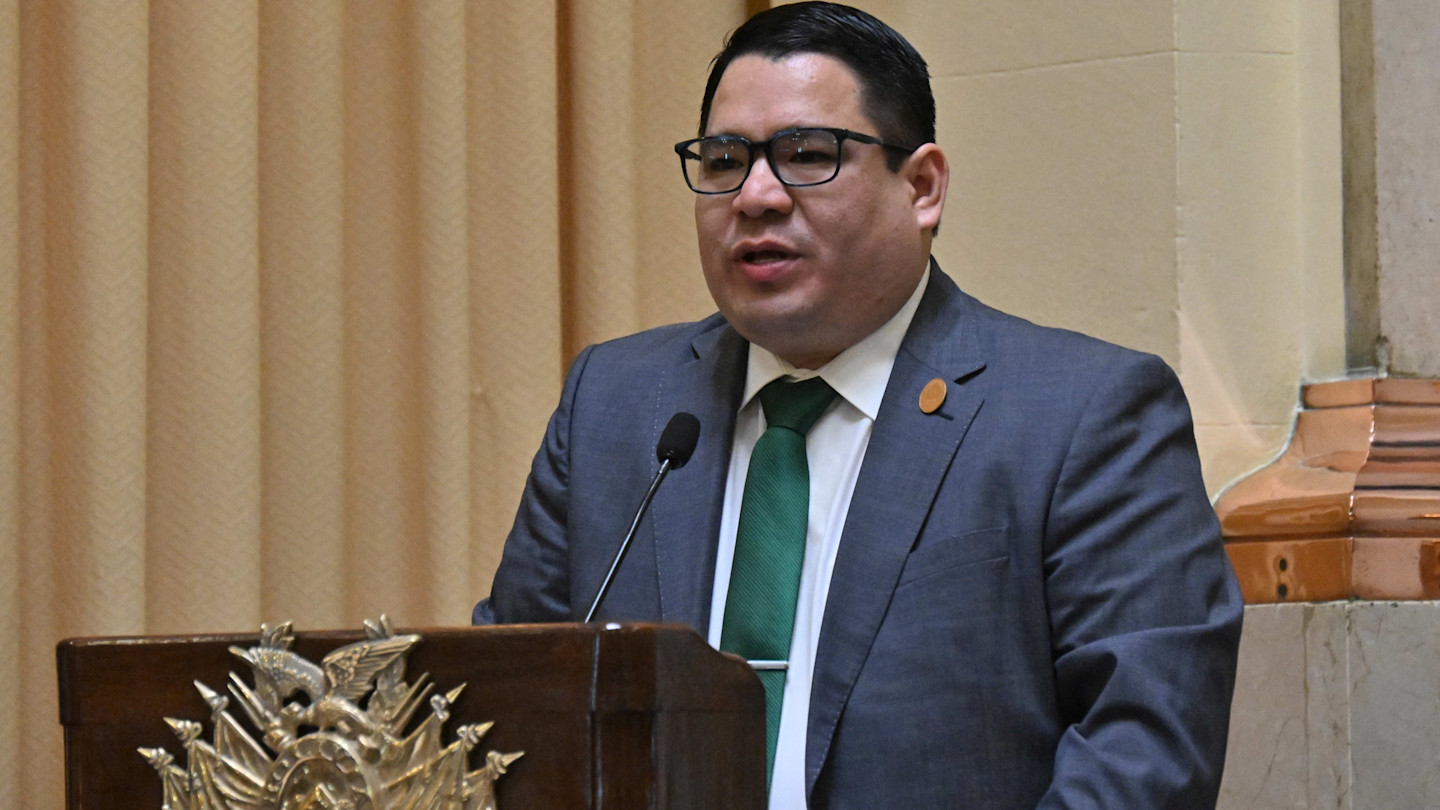
Roger Mariaca was detained alongside 13 others after US allegations that he accepted bribes to protect drug traffickers, putting Bolivia’s prosecution service at the centre of a widening investigation into organised crime._
Bolivia’s Attorney General, Roger Mariaca, has been arrested alongside 13 other people in an investigation into alleged criminal networks within the country’s justice system, following accusations by the United States that he accepted bribes to facilitate drug trafficking.
Interior Minister Marco Antonio Oviedo announced the arrests on Thursday, October 1, saying authorities had dismantled a criminal organisation allegedly operating within the judiciary and the Public Prosecutor’s Office. Mariaca was detained on Wednesday night, September 30, at Viru Viru International Airport in Santa Cruz, eastern Bolivia.
The operation followed the circulation of video and audio recordings attributed to Sebastián Marset, a Uruguayan national accused of leading an international drug-trafficking network. Marset allegedly described Mariaca as a friend and claimed to have paid him $500,000 to continue his operations in Bolivia.
The allegations have placed the country’s chief prosecutor, whose office is responsible for pursuing criminal cases, at the centre of an investigation into whether public officials used their positions to protect organised crime.
Washington had revoked Mariaca’s US visa two days before his arrest, accusing him of soliciting and accepting bribes to facilitate drug trafficking and help violent criminals evade justice. Mariaca rejected the accusations, describing the US action as political interference linked to investigations he had overseen.
Bolivian authorities have alleged that the network helped protect drug-trafficking activities and interfered with the handling of criminal cases. The investigation also concerns the alleged return of assets seized from Marset and the circumstances surrounding his earlier operations in the country.
Marset was captured in Bolivia in March 2026 and subsequently transferred to the United States, where he awaits trial. His alleged statements about payments to Mariaca have become a significant part of the current controversy, although the recordings and claims must still be tested through the appropriate legal process.
Authorities also reported that four people were detained after allegedly attempting to move bundles of cash from the residential complex where Mariaca lived using an ambulance. Police displayed the recovered money during the investigation. The government has linked the operation to suspected extortion and corruption, but the circumstances surrounding the funds and the responsibility of individual suspects remain matters for investigators and the courts.
Mariaca’s arrest has also exposed tensions over the independence of Bolivia’s justice system. An official from the Attorney General’s Office denounced the detention as an abduction during a live broadcast, while the government presented the operation as part of an effort to dismantle criminal networks operating within state institutions.
The political implications extend beyond the investigation itself. President Rodrigo Paz, who took office in November 2025, has pursued closer relations with Washington after years of strained ties between the two countries. His administration has made cooperation against organised crime a central part of that rapprochement.
US Secretary of State Marco Rubio welcomed the arrests as a step against drug trafficking and corruption. Washington has also imposed visa restrictions on Bolivian officials accused of corruption or links to criminal networks. The timing of the operation has therefore connected Bolivia’s domestic investigation to a broader effort by the United States to strengthen security cooperation across parts of Latin America.
However, the government’s allegations and Washington’s accusations do not, on their own, establish Mariaca’s guilt. The investigation will need to establish the authenticity and significance of the recordings, trace any alleged payments and determine whether the accused officials used their positions to facilitate criminal activity.
The case now places pressure on Bolivian authorities to demonstrate that the investigation can proceed through a credible legal process. A failure to establish the allegations could deepen concerns about political interference, while substantiated evidence of corruption within the prosecution service would raise serious questions about how criminal networks gained access to institutions charged with enforcing the law.
For Bolivia, the central issue is no longer simply the arrest of a senior official. It is whether investigators can establish individual responsibility, protect the independence of the judicial process and show that the institutions pursuing organised crime are themselves subject to the law.

 Noble Nigeria

© Noble Nigeria. All Rights Reserved || Privacy Policy and User Agreement