Source: BBC
US Reopens Direct Talks With Myanmar’s Military Rulers
Washington’s renewed engagement with Myanmar’s military-backed government is opening channels on cybercrime, a detained American businessman and critical minerals, marking a shift in US policy towards a leadership it has sought to isolate since the 2021 coup.
The United States has reopened direct talks with Myanmar’s military-installed leadership, pursuing cooperation on cybercrime, the release of an American businessman and access to strategic mineral resources in a move that could reshape Washington’s approach to the country’s military rulers.
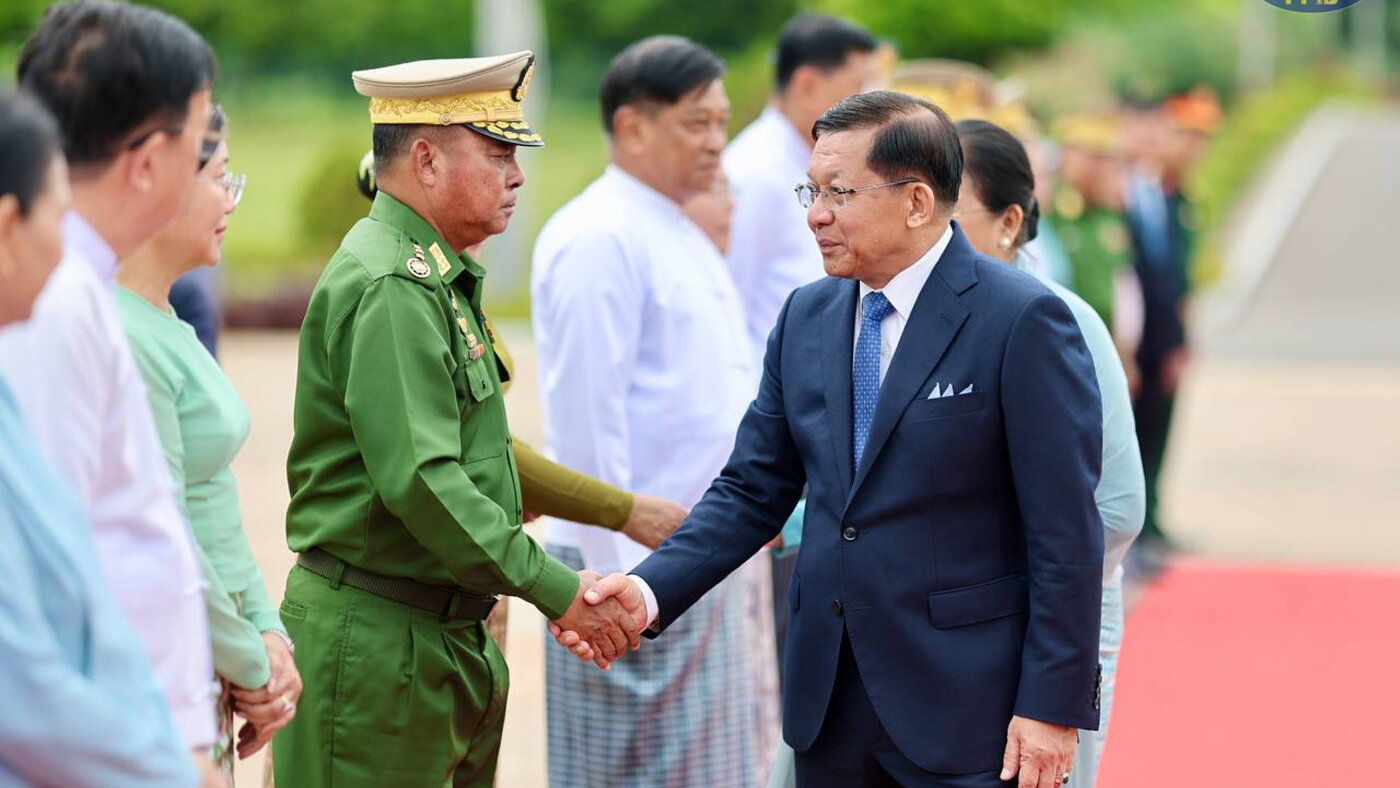
The discussions, reported on Thursday, October 8, includes a meeting in Naypyidaw between senior US official Michael Vance and Myanmar President Min Aung Hlaing. The contact represents a significant diplomatic opening since the military seized power in February 2021, overthrowing the elected government and triggering a conflict that has continued to devastate communities across the country.
The immediate impetus was the detention of Adam Castillo, an American businessman arrested at Yangon airport in June. US officials sought his release through back-channel negotiations, according to people familiar with the discussions. The talks subsequently widened to include cooperation against online scam operations and the possibility of greater American access to Myanmar’s rare-earth mineral deposits.
The shift is significant because Washington has spent years imposing sanctions on military leaders and businesses associated with the armed forces. The United States has also condemned the military’s treatment of civilians and supported measures intended to strengthen democratic opposition to its rule. Reopening direct contact does not, by itself, mean those sanctions have been lifted, but it gives the military-backed administration a channel to engage senior American officials.
Cybercrime has emerged as one of the immediate areas of mutual interest. Criminal networks operating across parts of Southeast Asia run compounds from which workers are forced or coerced into conducting investment fraud, romance scams and other online schemes. American victims have lost substantial sums to such operations, prompting US agencies to seek cooperation from governments with influence over the networks.
Myanmar presents a particularly difficult case because some scam centres operate in territories controlled by armed groups, while allegations have also been raised about links between criminal businesses and people connected to the country’s military establishment. Cooperation with the authorities could help investigators disrupt some operations, but it would not necessarily give the government control over every area where the networks function.
Rare-earth minerals provide a broader strategic reason for Washington’s renewed interest. Myanmar is an important source of heavy rare-earth elements used in advanced electronics, electric vehicles, wind turbines and defence technologies. Much of its output has flowed into China’s supply chains, making the country relevant to American efforts to reduce dependence on Chinese-controlled mineral processing.
Access would not be straightforward. Some deposits lie in areas contested by ethnic armed organisations, and the continuing conflict complicates efforts to secure mines, transport minerals and establish reliable commercial arrangements. Any American initiative would therefore have to contend with both the security situation and China’s established position in the sector.
The diplomatic opening has nevertheless raised concerns among human-rights advocates and lawmakers who argue that engagement could give Min Aung Hlaing’s government greater legitimacy without securing meaningful improvements for Myanmar’s population. The military takeover displaced the country’s elected leadership and sparked resistance involving pro-democracy forces and long-established ethnic armed organisations. United Nations officials and rights groups have documented widespread civilian suffering, including deaths from airstrikes, displacement and restrictions on humanitarian access.
The Rohingya crisis remains part of that record. The United States determined that atrocities committed against the Muslim minority during the military’s 2016–2017 campaign constituted genocide. The military’s subsequent seizure of power and the conflict that followed have further complicated efforts to secure accountability and a political settlement.
Critics of renewed engagement argue that Washington risks weakening pressure on the military if it prioritises narrow security and commercial objectives. Supporters of practical diplomacy counter that refusing contact can limit opportunities to secure detained Americans, disrupt criminal networks and negotiate over issues that directly affect US interests. The central question is whether direct talks can deliver concrete results without reducing pressure for an end to violence and a credible political transition.
The move also comes as Myanmar seeks to rebuild its international relationships. Its military-backed leadership has pursued greater diplomatic acceptance, while neighbouring governments have debated how to bring the country back into regional discussions. The Association of Southeast Asian Nations has restricted the participation of Myanmar’s top military leaders in its highest-level meetings because the generals have failed to implement the bloc’s peace plan.
Washington’s decision does not settle Myanmar’s political future, nor does it establish that cooperation on minerals or cybercrime will produce wider change. It does, however, signal a more transactional approach in which American officials are prepared to speak directly with military rulers when negotiations offer potential gains on security, citizens’ welfare or strategic supply chains.
For Myanmar’s generals, access to Washington is itself a diplomatic gain after years of isolation. For the United States, the challenge will be to show that the new channel can achieve measurable objectives without allowing immediate strategic interests to eclipse the unresolved consequences of the coup.

 Noble Nigeria

© Noble Nigeria. All Rights Reserved || Privacy Policy and User Agreement