Source: BBC
Hurricane Isaias Leaves More Than 900,000 Without Power.
The storm has been downgraded to a post-tropical cyclone, but flash flooding, fallen trees and the risk of tornadoes continue across parts of the southeastern United States as emergency crews assess the damage.
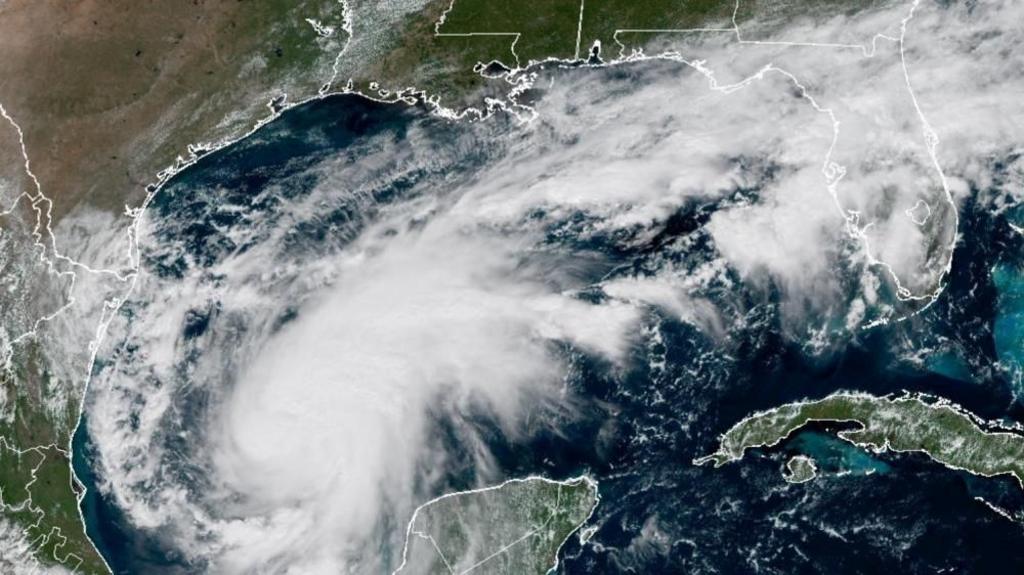
Hurricane Isaias weakened rapidly after striking Florida’s Gulf Coast, but its passage left more than 900,000 electricity customers without power across Florida, Alabama and Georgia early Saturday, October 10, as authorities warned that dangerous flooding and possible tornadoes remained a threat across the southeastern United States.
The storm made landfall near Destin, Florida, late Friday as a Category 2 hurricane, packing sustained winds of about 105 miles per hour. It was the first hurricane of the 2026 Atlantic season. As it moved inland through Alabama, its circulation weakened and it was downgraded to a post-tropical cyclone by Saturday morning, according to the US National Hurricane Center.
The downgrade brought a reduction in the storm’s sustained winds, but did not eliminate the danger. Forecasters continued to warn of flash flooding, damaging wind gusts and possible tornadoes across parts of the Florida Panhandle, southern Alabama, southwestern Georgia and areas farther inland.
Power outages spread across the region as strong winds brought down trees and electrical lines. More than 430,000 customers in Florida, approximately 326,000 in Alabama and about 123,000 in Georgia were without electricity early Saturday, according to reported figures. The number of affected customers may change as utilities assess damage and restoration work progresses.
In southern Alabama, the storm disrupted road travel and forced authorities to close roads in Houston County because of fallen trees, power lines and hazardous conditions. Officials warned motorists to stay away from affected routes until they could be inspected and declared safe. Flooding and debris also obstructed roads in parts of Florida’s Panhandle.
Residents in coastal communities experienced powerful winds and damage to homes and other structures. In Pensacola, some residents reported fallen trees, damaged fences and roof damage, while emergency officials urged people to avoid unnecessary travel. Some emergency response operations were temporarily suspended during the most dangerous conditions because crews could not safely reach affected areas.
The National Hurricane Center forecasted rainfall totals of four to eight inches across southern Alabama, the Florida Panhandle, Florida’s Big Bend region and southwestern Georgia, with isolated totals potentially reaching 15 inches. Further rainfall is expected to create dangerous conditions in low-lying areas and places where drainage systems were already overwhelmed.
Authorities had also prepared for storm surges along vulnerable sections of the Gulf Coast. Although tropical-storm and storm-surge warnings were subsequently discontinued in areas where the immediate coastal threat had passed, officials cautioned that floodwater, damaged infrastructure and unstable trees could continue to endanger residents after the storm’s winds weakened.
Florida Governor Ron DeSantis declared a state of emergency for 27 counties ahead of the storm, enabling state agencies to coordinate resources and support local authorities. Federal emergency declarations were also approved for Florida and Alabama to make additional resources available for response and recovery.
The US government said it was monitoring the situation as emergency teams worked to assess the damage. The full financial cost of the storm and the extent of damage to homes, businesses, roads and utilities were not immediately clear in the initial reports.
Isaias also raised concerns about the energy industry along the Gulf Coast. Although the storm was forecast to miss the region’s largest oil-production hubs, precautionary shutdowns and possible power interruptions at refineries threatened to disrupt fuel supplies. The potential effects were particularly concerning because global energy markets were already facing pressure from conflict in the Middle East and Russia’s war against Ukraine.
For residents across the affected states, the immediate priorities remained restoring electricity, clearing blocked roads, checking damaged buildings and preventing further injuries from flooding. Authorities warned that a weakened storm could still produce dangerous weather well away from the coast, making it unsafe for residents to assume that conditions were normal simply because the hurricane had lost its status.
As Isaias moved farther inland, emergency officials continued to urge residents to follow local warnings, avoid flooded roads and remain alert to changing weather conditions. The storm’s rapid weakening reduced the threat posed by hurricane-force winds, but the continuing risk of flooding and tornadoes meant the recovery could not begin in earnest everywhere at once.

 Noble Nigeria

© Noble Nigeria. All Rights Reserved || Privacy Policy and User Agreement