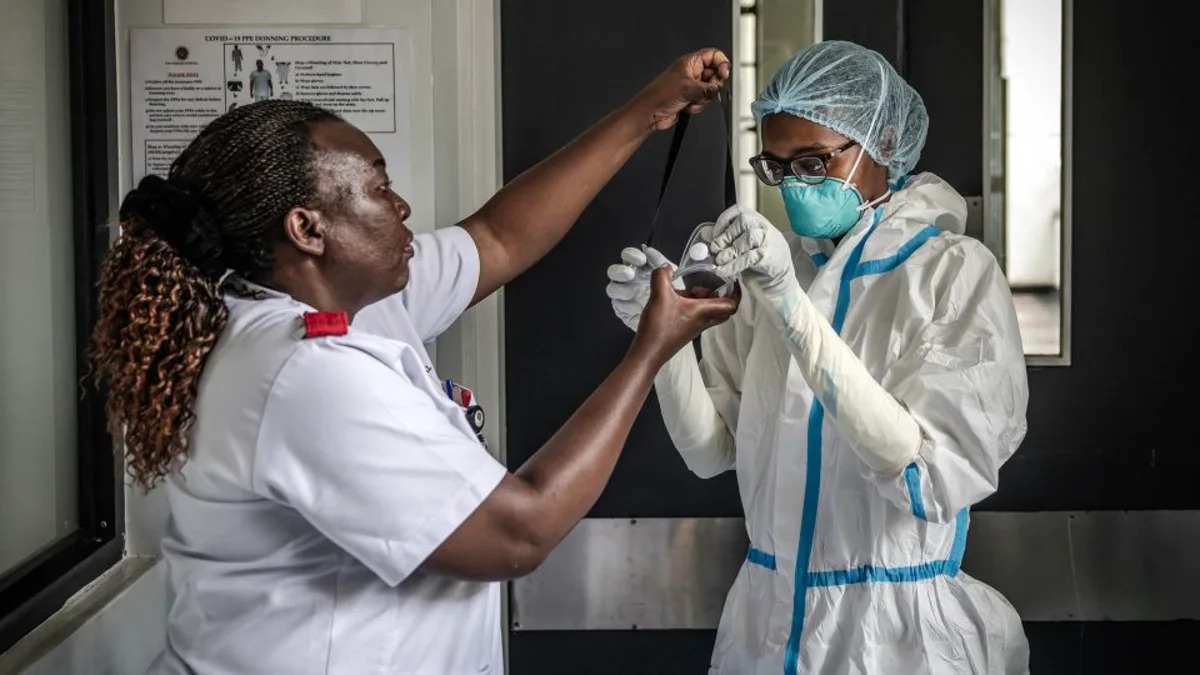

Source: BBC
UK Doubles Permanent Residency Wait to 10 Years for Most Migrants
Britain’s new earned-settlement system raises the standard qualifying period for indefinite leave to remain from five to 10 years, with faster routes for higher earners and selected public-service workers. The changes will also affect many migrants already living in the country, putting the settlement plans of thousands of Nigerians under fresh scrutiny._
The British government has confirmed that most migrants will have to wait 10 years, rather than five, before they can apply to live permanently in the United Kingdom, in a major change to the country’s immigration settlement system.
Home Secretary Shabana Mahmood announced the final details of the policy, called Earned Settlement, to Parliament on Monday, November 2. Under the new framework, the time a migrant must spend in Britain before qualifying for Indefinite Leave to Remain (ILR) will depend not only on how long they have lived in the country, but also on their earnings, employment, conduct and contribution to British society.
ILR is the status that allows a person to live and work in Britain without the time restrictions attached to a temporary visa. It is an important step towards long-term security for migrants because it removes the need to keep renewing work or other residence permissions. It can also provide a route towards British citizenship, subject to separate eligibility requirements.
Under the revised rules, 10 years becomes the standard qualifying period for most applicants. The government, however, has retained shorter routes for people it considers to make a higher financial or public-service contribution.
Migrants earning more than £50,271 annually will be able to apply after five years. The same five-year route will remain available to certain public-service professionals, including doctors, nurses and teachers. Those earning more than £125,000 a year, as well as people entering through some of the country’s highest-talented immigration schemes, will be eligible to apply after three years.
For workers earning below the £50,271 threshold who do not qualify for one of the specified occupational exemptions, the route to permanent residence will generally double. The government says applicants will also have to meet mandatory conditions covering character, suitability, English-language ability, the Life in the UK Test, outstanding debts to the state and sustained contribution. Three years of National Insurance contributions is among the stated requirements.
The change is particularly significant because it is not limited to people who arrive in Britain after the announcement. The government intends to apply the new settlement framework to applications assessed under the rules in force when they are decided. That means migrants who moved to Britain under the previous five-year arrangement but have not yet secured ILR may also face the longer qualifying period. Mahmood defended this approach in Parliament, arguing that settlement applications are assessed under the rules in place at the time of decision.
The distinction matters to people who have already spent several years working, paying taxes and building lives in Britain on the understanding that five years of qualifying residence could lead to permanent status. Their arrival under an earlier visa regime does not, by itself, guarantee that the old settlement timetable will remain available to them.
There are, however, important transitional arrangements. Care workers who arrived before May 2025 and have complied with their visa conditions may retain access to the five-year route if they have worked in the sector for the required period and meet the specified earnings threshold of at least £25,000. Those who do not meet the conditions may be offered a further five-year visa before they can apply for settlement. Certain health and education workers who arrived during the relevant period will also benefit from transitional protections. The concessions followed criticism from care-sector organisations, trade unions and lawmakers over the potential effect of the earlier proposals on workers who had been recruited to fill staffing shortages.
The government’s concessions do not amount to a general exemption for everyone already in Britain. The protection depends on the worker’s immigration route, arrival date, occupation and whether the specific transitional conditions are met. Other migrants who have not yet obtained permanent residence may still be moved onto the new qualifying timetable.
The scale of the Nigerian interest is considerable. Data from the UK Home Office, reported by The Punch in July, showed that Britain granted 49,498 work visas to Nigerians between 2021 and the first quarter of 2026. Nigerians were the second-largest nationality group in the global total for occupation-based work visas during the period, with health and care roles accounting for a major share of the movement.
Those figures do not mean that 49,498 Nigerians are now waiting for permanent residence. A work visa is not a settlement application, and some recipients may have left Britain, changed immigration routes or never intended to remain permanently. But the figures show why changes to the settlement system have particular relevance to Nigerians who entered through employment, especially those recruited into health and social care.
For a Nigerian nurse, teacher or other eligible public-service worker, the five-year route may remain available, provided the job falls within the qualifying categories and the applicant meets the other requirements. A Nigerian worker in a different occupation earning below the relevant salary threshold could face the 10-year standard period. Care workers must examine the transitional provisions rather than assume that every person in the sector is automatically exempt.
The policy also changes the settlement timetable for refugees. Those arriving through government-approved safe and legal routes will be able to apply after five years. Other refugees will generally face a 20-year qualifying period, which can be reduced to 10 years for those who work or study. People who enter Britain through clandestine routes, including small-boat crossings, face an additional 10 years, potentially taking the wait to 30 years. The government says refugees who continue to need protection will still receive it; the new timetable concerns when they can obtain permanent settlement.
The changes follow a consultation launched in November 2025 that attracted more than 200,000 responses. The government says it considered concerns about fairness, complexity and the effect on people already in Britain before finalising the framework. It estimates that more than 500,000 people will wait longer than five years to settle as a result of the reforms, while arguing that the system will better recognise financial contribution, public service and compliance with immigration rules.
The policy is part of a broader effort by the government to tighten immigration rules and reduce the long-term costs associated with migration. But the settlement changes arrive after a period in which Britain relied heavily on overseas recruitment to fill vacancies, particularly in health and social care. The Home Office recorded 89,575 extensions of Health and Care Worker visas for Nigerian nationals in the year ending March 2026, illustrating how many Nigerians were still seeking to extend their lawful stay through that route. An extension, however, is not permanent residence, and the new rules may determine how long some of those workers must continue renewing their permission.
The government says people who already hold settled status will not lose it. The new framework is expected to be implemented through changes to the Immigration Rules over 2027, with further technical guidance and an impact assessment to explain how individual cases will be handled. Until those details are published, migrants will need to establish which route applies to their circumstances rather than assume that the 10-year rule, or an exemption, applies uniformly.
For Nigerians who moved to Britain through work, the practical question is no longer simply whether they have completed five years in the country. It is whether their occupation, income, immigration history and arrival date place them within one of the shorter routes or leave them subject to the new 10-year standard. That distinction could determine how many more years they must spend on temporary permission before they can make Britain their permanent home.

 Noble Nigeria

© Noble Nigeria. All Rights Reserved || Privacy Policy and User Agreement