Source: BBC
Brazil: Lula Wins Fourth Term as Bolsonaro Moves to Challenge Result
Brazil’s electoral authorities confirmed Luiz Inácio Lula da Silva’s victory over Flávio Bolsonaro, but the defeated senator’s demand to annul the vote opens a new dispute over the result as the country’s president-elect prepares to govern with a conservative-dominated Congress._
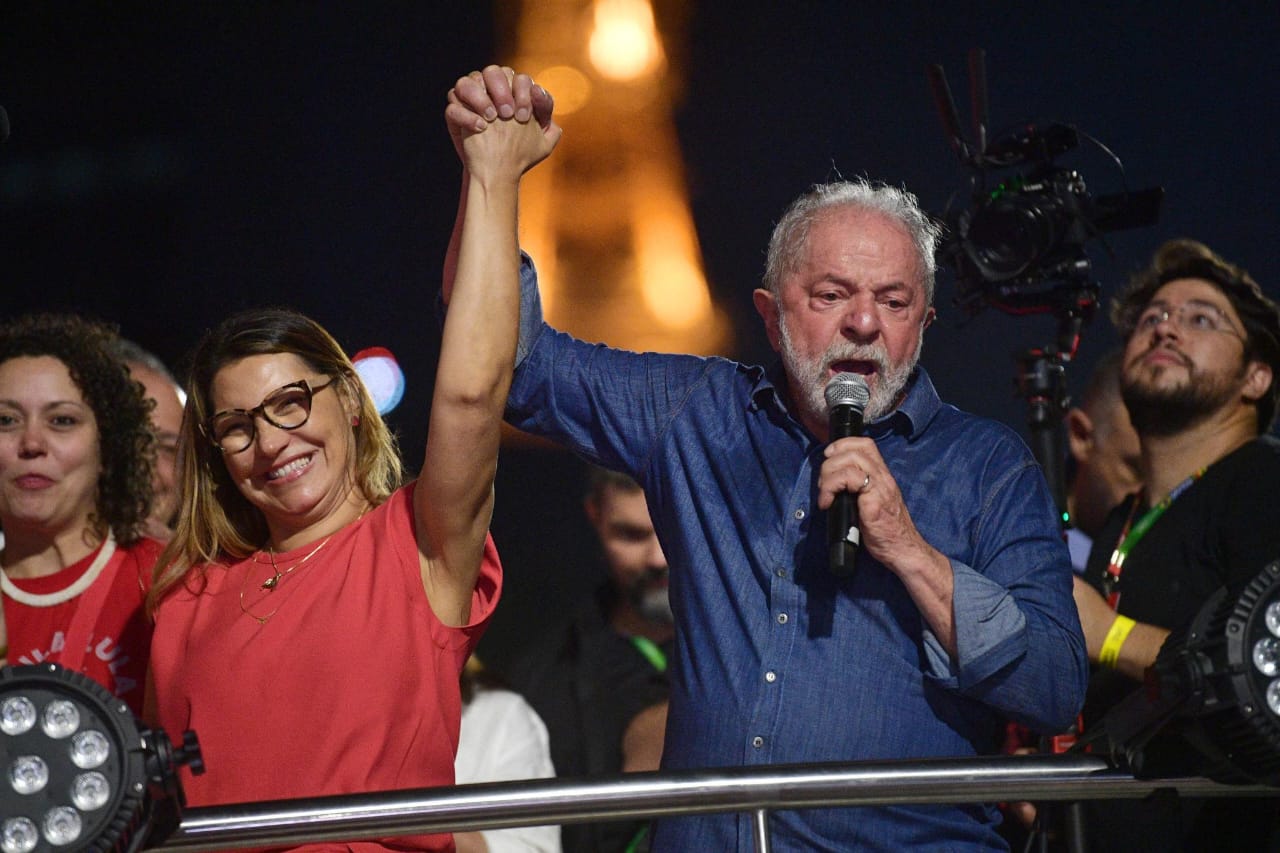
Brazilian President Luiz Inácio Lula da Silva has secured an unprecedented fourth, non-consecutive presidential term, defeating Senator Flávio Bolsonaro by more than four million votes in a runoff that has left the country’s political divisions firmly in place.
The official count gave Lula 51.79 per cent of valid votes, or approximately 64.26 million, against 48.21 per cent, or 59.83 million, for Bolsonaro, the eldest son of former president Jair Bolsonaro. The result, confirmed by Brazil’s electoral authorities on Sunday, October 25, reversed the first-round outcome, in which Flávio Bolsonaro had finished ahead.
But the result has not ended the contest. Flávio Bolsonaro has refused to concede defeat and says he will seek to have the election annulled, challenging a last-minute decision that extended voting hours by two hours in some parts of the country.
The dispute centres on a ruling by Supreme Court Justice Cristiano Zanin, who authorised the extension after reports of transport difficulties affecting voters in major cities and severe weather in parts of southern Brazil. The order came shortly before the scheduled close of polling, creating confusion because some polling stations had already shut.
Bolsonaro has argued that the decision compromised the election. Yet his challenge faces a significant complication: his own campaign had also sought an extension in areas affected by heavy rain in the south, where he enjoyed strong support. Legal observers say the demand was unlikely to overturn the result, although Bolsonaro’s refusal to accept defeat could still mobilise protests.
The dispute carries particular weight because of the events that followed the previous presidential election. Jair Bolsonaro rejected his 2022 defeat to Lula, and his supporters later stormed government buildings in Brasília. The former president was subsequently sentenced to 27 years in prison for plotting to remain in power after losing that election. Flávio’s challenge now places the legitimacy of another presidential result at the centre of Brazil’s political debate, although the circumstances and legal proceedings are not identical.
Lula’s victory also represents a reversal of a campaign that appeared increasingly uncertain after the first round. The 80-year-old president, who previously held office from 2003 to 2011 and returned to power in 2023, campaigned on his administration’s record on poverty, employment and social welfare. His government also pointed to reductions in deforestation during his third term, while voters continued to raise concerns about living costs, crime and corruption.
Flávio Bolsonaro drew support from voters seeking political change, stronger security measures and a different economic direction. His near-60-million-vote tally demonstrates that the conservative movement associated with his father retains substantial electoral support, despite the defeat. The result therefore gives Lula another mandate without removing the political constituency that has opposed his government.
The legislative balance will be one of the immediate constraints on that mandate. Bolsonaro’s Liberal Party and its allies are expected to command substantial strength in both chambers of Congress, leaving Lula dependent on negotiations with lawmakers who oppose significant parts of his agenda. His promises on social spending and public services will have to compete with demands for fiscal restraint and business-oriented reforms.
The economic outlook adds to that pressure. Brazil’s government projects growth of 2.3 per cent next year, while public debt has risen above 82 per cent of gross domestic product and high interest rates continue to weigh on borrowing. Household debt is another concern. The new administration will have to address those pressures while trying to preserve its social programmes and assemble enough legislative support to pass its priorities.
The election also matters beyond Brazil. As Latin America’s largest economy, the country plays an influential role in regional diplomacy, climate negotiations and relations with major powers. Lula’s return keeps Brazil under a leader who has defended a more independent foreign policy and maintained engagement with China and other emerging economies. His victory also interrupts a recent series of electoral gains by right-wing candidates in the region, including leaders aligned with US President Donald Trump.
For now, however, the immediate test is at home. Lula has said he intends to govern for all Brazilians, but the narrow margin and Bolsonaro’s refusal to recognise the result leave little doubt that political opposition will remain intense. The electoral authorities have declared the winner; the coming weeks will test whether the defeated camp pursues its challenge through the courts, the streets or both, while Lula begins preparing for a fourth term under tighter political and economic constraints.

 Noble Nigeria

© Noble Nigeria. All Rights Reserved || Privacy Policy and User Agreement