Source: BBC
UN Warns Hormuz Fertiliser Disruption Could Trigger Food Crisis in Africa, Asia
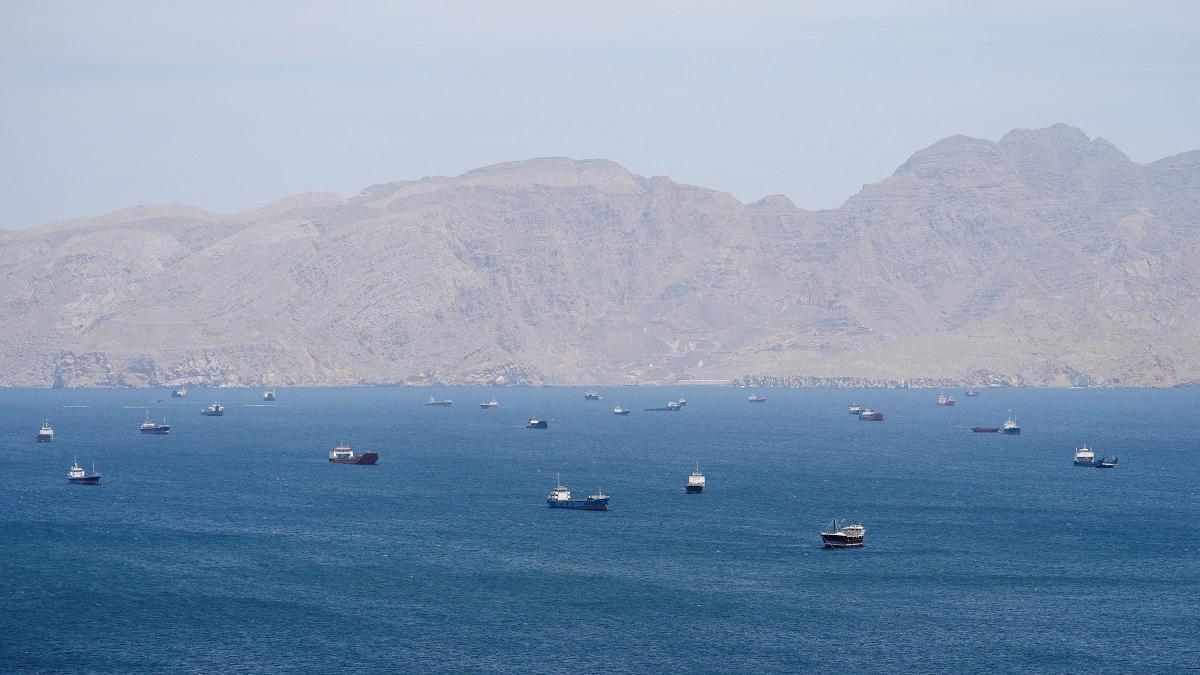
A United Nations-backed plan to resume fertiliser shipments through the Strait of Hormuz remains stalled pending agreement between the United States and Iran, raising concerns that farmers could miss planting seasons as supply disruptions threaten agricultural production and food affordability_
A failure by the United States and Iran to agree within weeks on a plan to move fertiliser through the Strait of Hormuz could trigger a food-security crisis in parts of Africa and Asia, a senior United Nations official warned on Wednesday, October 14.
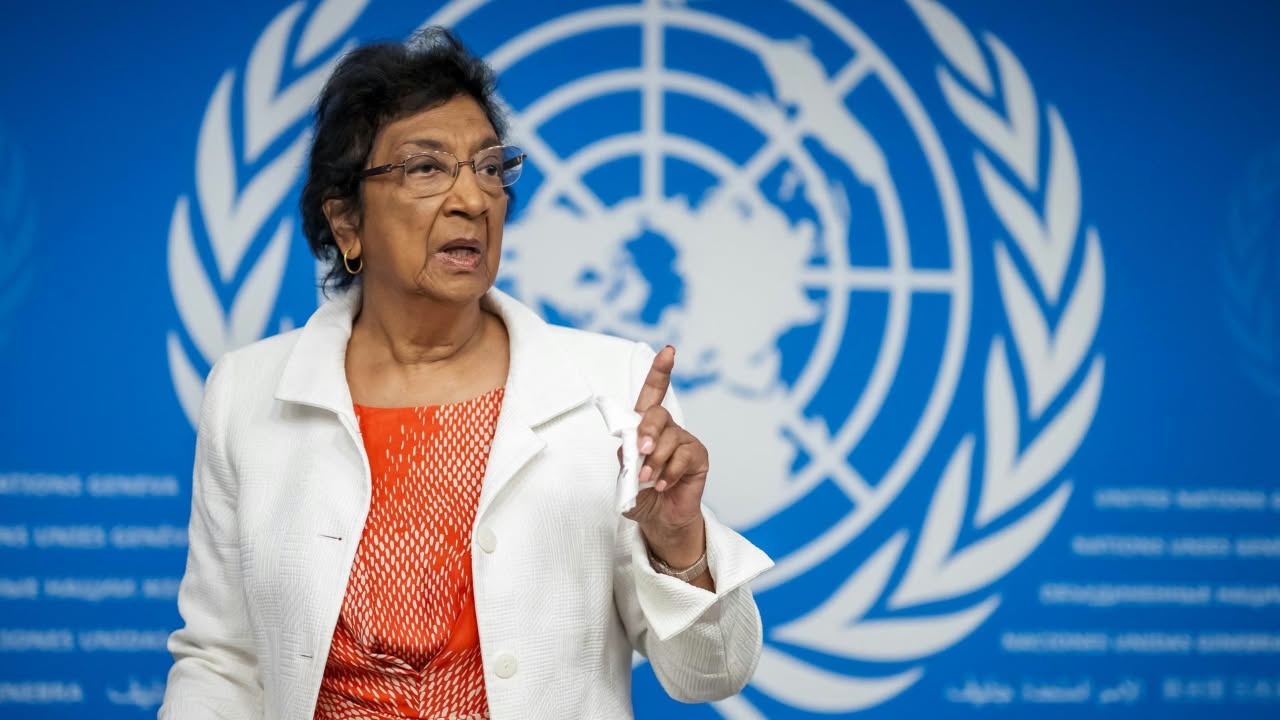
Jorge Moreira da Silva, the UN under-secretary-general overseeing the proposed arrangement, said the mechanism could be activated within 7 to 10 days of an agreement between Washington and Tehran. However, continued diplomatic disagreements have delayed its implementation, leaving fertiliser shipments exposed to the wider disruption of commercial shipping in the Gulf.
“It’s absolutely crucial to get the deal in the next few weeks. Otherwise, we will miss the planting season,” Moreira da Silva remarked on the sidelines of the International Monetary Fund and World Bank annual meetings in Bangkok.
The UN established a task force in March to develop a system for facilitating fertiliser shipments through the strategic waterway, which connects the Persian Gulf to the Gulf of Oman. The initiative is intended to restore the movement of essential agricultural supplies without requiring the two countries to settle all their outstanding disputes first.
Before the conflict began in February, the Strait of Hormuz handled about one-third of globally traded urea, a widely used nitrogen fertiliser, and nearly half of seaborne sulphur, a key raw material used in producing phosphate fertilisers. The disruption has therefore placed an important part of the global agricultural supply chain under pressure.
The proposed arrangement would establish a coordination centre in Oman to register vessels and organise passage through the strait. UN monitors would work with local authorities to verify cargoes, while ships would be tracked during transit. The plan envisages allowing around five vessels a day to pass, a volume Moreira da Silva said could help meet urgent fertiliser supply requirements.
The White House, the US State Department and Iran’s Embassy in Bangkok did not immediately respond to requests for comment on the proposal.
The dispute over the waterway forms part of the wider conflict that began with US and Israeli strikes on Iran on February 28. Iran has sought to use its control over the strait as leverage in negotiations, while a US naval blockade of Iranian ports has further complicated efforts to restore normal maritime trade.
Negotiations between Washington and Tehran have stalled over disagreements that include Iran’s nuclear programme. The UN is seeking to separate the immediate need to move essential supplies from the broader diplomatic settlement, arguing that fertiliser shipments cannot wait indefinitely for a comprehensive agreement.
The consequences of the disruption are already visible in international fertiliser markets. A July analysis by the World Trade Organization found that shipments of fertiliser-related products through the Strait of Hormuz had fallen to near zero following the outbreak of the conflict. The organisation warned that economies in Africa and Asia that depend heavily on imports from Gulf suppliers face particular risks from shortages and higher prices.
Urea prices rose from about $400 per metric tonne before the conflict to more than $850 in April, according to the WTO analysis, before falling to around $453 in June. The decline offered some relief, but the continuing disruption to shipments left uncertainty over whether supplies could recover sufficiently to meet agricultural demand.
The WTO also found that Gulf economies accounted for 24.8 per cent of global nitrogenous fertiliser exports and 11.4 per cent of phosphatic fertiliser exports in 2024. Although alternative suppliers exist, replacing disrupted Gulf shipments is not straightforward, particularly when alternative routes carry higher transport costs and face logistical constraints.
The pressure extends beyond fertiliser prices. Farmers who cannot obtain sufficient supplies before planting may reduce their application rates or face lower yields, potentially limiting food production in subsequent harvests. Higher agricultural input costs can also narrow farmers’ profit margins and contribute to increases in food prices, although the effects vary between countries and depend on domestic production, distribution costs and the availability of alternative supplies.
Nigeria is among the countries where the developments warrant close monitoring. Any sustained increase in international fertiliser costs could affect farmers who depend on purchased inputs, while supply constraints could complicate efforts to maintain agricultural output. The extent of the impact will depend on Nigeria’s domestic stocks, import arrangements, distribution networks and the prices available to farmers; the UN warning does not establish a specific increase in Nigerian food prices.
The crisis is unfolding alongside other disruptions to international shipping, including insecurity in the Red Sea and the Black Sea. Together, these pressures have heightened concerns about the reliability of supply routes used to transport food, fuel and agricultural inputs.
For the United Nations, the immediate priority is securing an agreement that allows fertiliser shipments to resume before farmers lose critical planting opportunities. Whether Washington and Tehran can reach that agreement in time will help determine how far the disruption spreads from maritime trade into agricultural production and food security across vulnerable economies.

 Noble Nigeria

© Noble Nigeria. All Rights Reserved || Privacy Policy and User Agreement